


Shopping local has been a mantra for promoting rural economies and the communities in which they serve for many years. As the countdown to Christmas gathers pace, the need to support local businesses is even more critical, coming off the back of a year of fees and regulations that are inflicting increased pressure on small Irish enterprises.
Small craft makers are particularly affected by new bureaucracy, the latest of which requires businesses to register and pay annual recycling/extended producer responsibility (EPR) fees in every EU member state they ship or sell to.This is on top of restrictive tariffs on many non-EU countries, including the US, and some artisan producers say the added bureaucratic costs are pushing them to the brink.
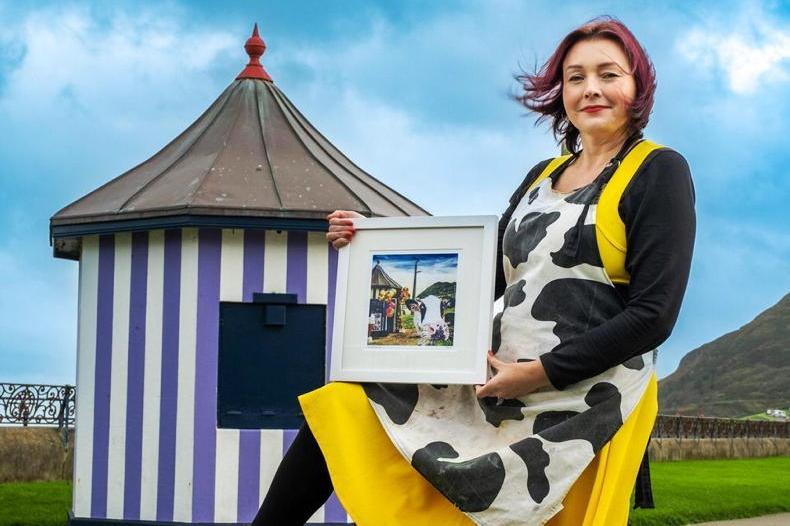
Kelly Hood is a contemporary artist, originally from Co Kerry, who works from her studio in Kilcoole, Co Wicklow. She has been forced to suspend international sales in recent months.
Red tape
“It’s a really horrific situation. I have seen a complete stop to international sales on my website over the past three months, which is having a major impact on my business,” she explains.
“To be honest, it’s really depressing to see a 30% dip in business online, and the retailers I work with are struggling too. I know of some who have had customers refuse to accept their orders because they won’t pay these extra charges. Not only are the retailers losing the sale and having to refund it, but they’re also paying postage costs they cannot claim back.
“I’m lucky in that I work with small independent coffee shops near my studio here in Kilcoole. We’re not looking at huge margins, but the relationships work well. I’m trying to focus on the domestic market, but it’s a constant balance. Craft shops are on their knees at the minute.”
According to Revenue, a customs declaration must be made for any goods exported outside the EU, including the UK. This requires traders to have an export licence and for each invoice to be declared. The Guide to Customs Exports Procedures Manual is an 83-page document and many small traders haven’t the time to invest in navigating the process, so opt out of exporting their wares.
In Co Kerry the situation is equally challenging. Louis Mulcahy is one of the most famous potters in the country, but the company’s stellar reputation has not protected it from the challenges of red tape.
To be honest, it’s really depressing to see a 30% dip in business online, and the retailers I work with are struggling too. I know of some who have had customers refuse to accept their orders because they won’t pay these extra charges
Speaking to Irish Country Living, Lasse Mulcahy, Louis’ son, explains that the increased bureaucracy around tariffs and charges is having an impact on the business.
“Previously, the de minimis rule meant there were no charges for packages valued at less than $800 entering the US and €150 for the European Union, but this has been done away with so the situation is more complicated now,” he says.
“It’s hard to tell the full impact on us here, but we no longer sell gift packs containing food to the US as there’s just no point. We used to have hot chocolate gift packs that were very popular but the extra handling fees and the administration in dealing with different government agencies just made it pointless.
“We are finding that customers who visit Ireland and come to our showroom will now buy smaller items that they will bring home themselves in their luggage, to avoid paying charges. But the day of the big order to the US is gone.”
Lasse explains that the new legislation introduced earlier this year by the EU has also affected sales across the continent.
“The brokerage fees charged now on exports, is also prohibitive. In the case of a single mug the brokerage fee can be almost as much, and that’s before you add shipping costs. We explain this to our customers before they make a purchase and it is definitely putting some people off.
“But Ireland remains our biggest market, and what we’ve lost out on US sales, thankfully our Irish customers are supporting local, and we’re moving more towards that.”
A petition to the EU to revisit legislation surrounding the EPR obligations on small businesses has garnered over 86,000 signatures across the 27 member states.
Organisers of the campaign, Micro Enterprises Alliance, say the EPR has created a disproportionate barrier to smaller independent enterprises and favours larger, multinational companies that can absorb the costs associated with the new rules.
“It is heartbreaking to watch a single, poorly designed regulation destroy thousands of livelihoods, creative dreams and passion projects overnight,” a statement reads on the petition home page.
“The Extended Producer Responsibility (EPR) was meant to make big polluters pay. Multinationals with entire legal departments effortlessly absorb these compliance costs, yet for an independent artisan or sole trader sending just 10 small packages a year to another EU country, being forced to register with 27 individual national registries, hire expensive local authorised representatives (brokers), pay annual minimum fees and file complex reports in different languages is financially and administratively impossible.”
‘Ride the wave’
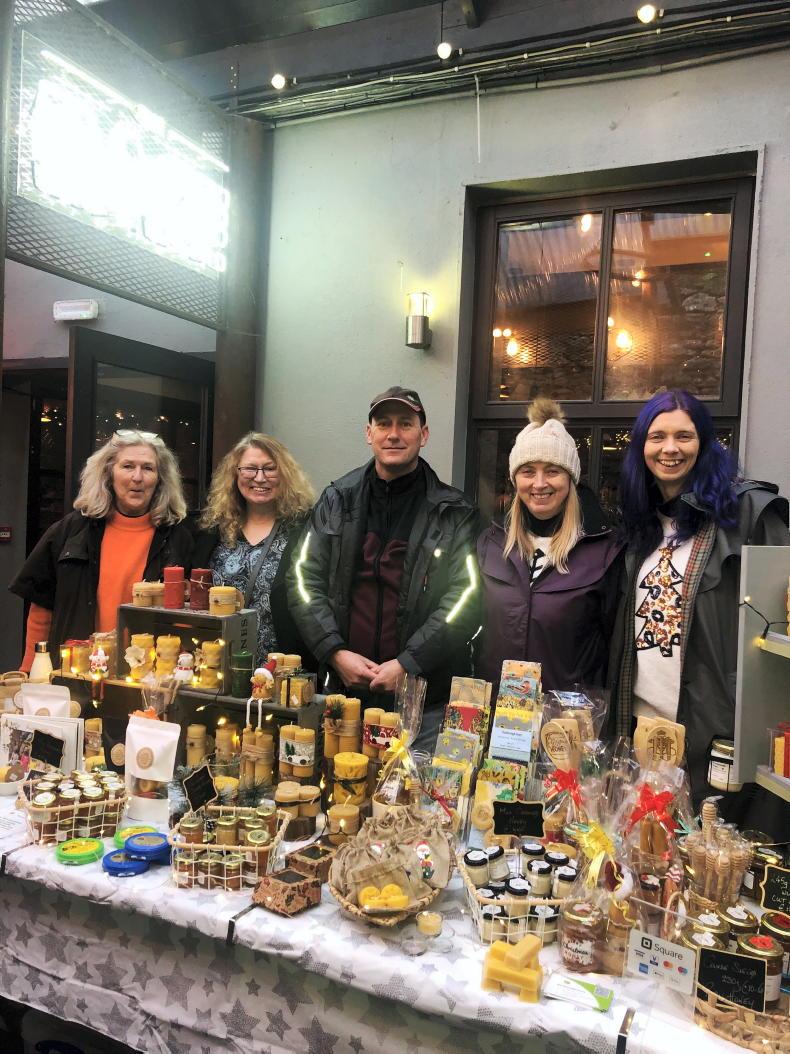
Rachel Kane (rachelkanedesign.ie) is a designer and visual artist who runs Wicklow Marketplace. She says the annual Christmas market held in recent years is not going ahead due to the drop in stall holders.
“We’ve been hit three times in recent years, when you take into account Brexit, tariffs and these latest EU packaging requirements, so our sales have seen a 50% drop, and we just can’t compete with the bigger players,” she explains.
“No one has any issue with the need to be responsible when it comes to packaging and sustainability has always been at the heart of what we do, but the administration demands of this EU packaging directive alone, they’re just too much for a self-employed artist or crafter who is trying to earn a living.
“Exemptions are available, but even the administrative burden in trying to secure that is too much for one person. Local Enterprise Offices (LEOs) have been really good in recent years in directing resources, training and funding into arts and crafts businesses, but we are all competing against each other as there’s only a finite sum of money available.
“We need the current political landscape in this country to change in our favour, as the support available to businesses is directed to those in high productivity, and we have little option but to ride the wave until that change comes.
“We are also very conscious that in a cost-of-living crisis, people are holding on to their money until the last minute in terms of Christmas spending, and that is understandable. There are a lot of other priorities out there right now, but we need something to change to support those of us trying to make a living from a small business.”
See wicklowmarketplace.ie and kellyhood.com; change.org/p/stop-destroying-eu-micro-businesses-immediate-moratorium-on-cross-border-epr-fees

