
The recent Worldpanel by Numerator data on UK retail sales, published by the Agriculture and Horticulture Development Board (AHDB), shows that for the first time in over a year and a half, British shoppers took more beef home with them in the 12 weeks to 1 November than they did in the same period the previous year.
Retail customers spent 1.9% more on beef purchases, with 1% of this increase caused by prices being higher and the remaining 0.9% accounted for by increased volume purchases.
The last time retail volume sales increased was in April 2025. That was just after cattle prices had peaked, but higher beef prices hadn’t yet been passed through the supply chain.
For much of the intervening period since then, the headline read 'shoppers spend more but get less beef'.
For example, in the 12 weeks to 30 November 2025, shoppers spent a huge 15% more on beef purchases than they did in the corresponding period a year earlier.
However, despite this increase in spend, with the average beef price being 28.6% higher than the year before, it meant that despite spending 15% more, consumers had 10.7% less beef in their shopping basket.
Year-on-year comparison
Comparing the data from last November and this November, it is clear that stability has returned to retail beef prices, not withstanding some variation between the individual cuts.
It is also interesting to note that retail prices continue to increase, even if it is slowly compared with a year ago, despite cattle prices now being well below this time last year.
We don’t have any meaningful insight to the costs and margins in the supply chain, but there is a general acceptance that processing and distribution costs will have increased over the past year.
Staff wages in factories and supermarkets will have increased, as will energy and transport costs given the surge in fuel prices this year.
Profit margin in the processing and retail part of the supply chain could also have increased over the period and any or all of these things could be contributing to higher retail prices, even if the raw material supplied by farmers has cost less.
Role of promotions
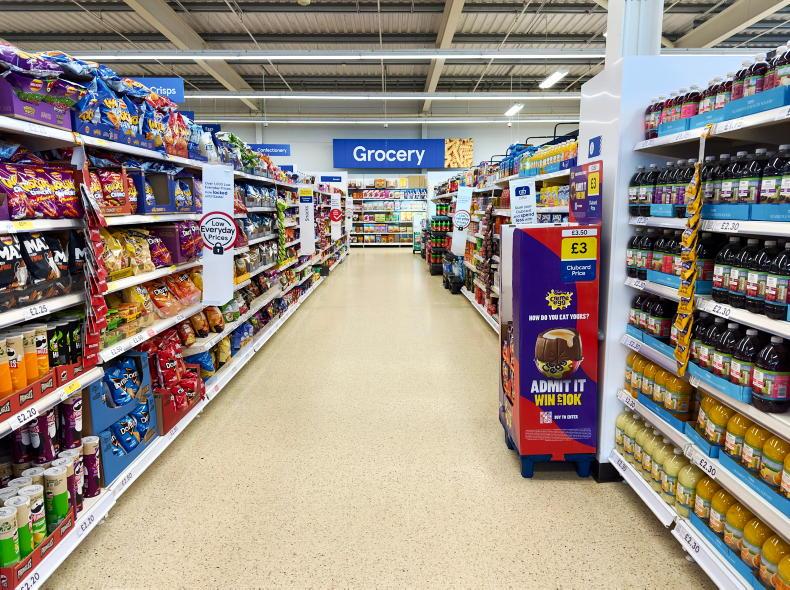
Much of the volume growth in the recent 12-week period was driven by in-store promotions.
These were rare in 2025 and in the earlier part of this year, but are now a feature again.
Silverside and topside roasts recorded 42% and 60% increases respectively, which the AHDB attributes to promotions, noting that many retailers were offering half-price deals on these cuts.
While farmers need every euro they can get for their cattle, there is always a concern that when beef becomes expensive, shoppers will stop buying and switch to cheaper meats.
For the past 18 months, the trend has been shoppers spending more money buying beef, but getting less product.
Over this period pork and poultry meat prices have recorded only small increases in retail price and offer consumers a cheaper alternative protein to beef.
However, while poultry meat sales continue to increase, pork sales have been stagnant.
The return to volume sales growth will be welcomed across the supply chain and, for farmers, it means that the cattle prices of today are sustainable in the retail market place.